












Athletic directors often face the challenge of upgrading facilities with tight budgets. The good news? You don’t need a massive overhaul to make a noticeable difference. By focusing on safety, functionality, and school pride, you can achieve impactful improvements without overspending. Here’s how:
- Evaluate Needs: Identify safety hazards, worn-out areas, and high-traffic zones. Prioritize fixes based on urgency and cost-effectiveness.
- Affordable Upgrades: Opt for modular seating, refinished surfaces, and energy-efficient systems to save money while improving usability.
- Boost School Pride: Use custom banners, decals, and branded materials to create a professional look and energize your community.
- Outdoor Improvements: Add practical items like canopy tents and feather flags to enhance usability and engagement during events.
- Preventive Maintenance: Regular upkeep extends the lifespan of existing facilities and avoids costly repairs.
- Phased Implementation: Spread upgrades over time to manage costs and ensure smooth operations.
Upgrading doesn’t have to be overwhelming. Small, targeted changes combined with smart planning can transform your facilities while staying within budget.
Step 1: Identify and Rank Your Facility Needs
The first step in upgrading your facility is taking a close look at what needs fixing, replacing, or improving. This thorough assessment lays the groundwork for making smart, informed decisions.
Review Your Current Facility Condition
Start by walking through the entire facility to document any issues. Take note of everything – major hazards, minor wear and tear, or cosmetic imperfections. Pay special attention to playing surfaces, roofs, and courts. For instance, a worn-out hardwood basketball court might just need refinishing instead of a full replacement, which can improve its look and performance without breaking the bank.
Safety equipment should be a top priority. Check nets, padding, and protective screens to ensure they’re securely installed and in good shape. Address any problems immediately to avoid potential liability. Peter Cardone, Director of Health, Physical Education and Athletics at Uniondale School District in New York, stresses the importance of acting quickly on safety concerns:
"Prioritize the highest safety concerns and address them immediately. Examples of this would be broken pulley exercise machines, broken dumb-bells, broken doors and so forth."
Don’t stop there – inspect door locks, seating, and equipment for any functionality or safety issues. Evaluate HVAC systems, lighting, and storage areas too. Poor air circulation or bad lighting can hurt both performance and safety, while messy storage spaces can lead to inefficiencies and even accidents.
Once you’ve gathered all this information, rank the issues by their urgency.
Build a Priority List
With your findings in hand, it’s time to organize them into a priority list. Repairs and upgrades can’t all happen at once, so you’ll need to weigh urgency, impact, and cost to decide what comes first.
Safety should always take precedence. Anything that poses a risk to athletes, coaches, or spectators must be addressed immediately, no matter the expense. After that, focus on areas that see the most activity. For example, a basketball court used daily by multiple teams should take priority over tennis nets that are rarely used. Considering that over 7.9 million high school students are expected to participate in sports in 2024[1], facilities must be ready to accommodate heavy use.
Think about the long-term benefits of each upgrade too. Some investments, like energy-efficient lighting or HVAC systems, might have higher upfront costs but can save money in the long run. Refinishing existing surfaces can also provide a fresh look and better functionality at a fraction of the cost of a full replacement.
Keep tabs on operational costs, including utilities, staffing, and maintenance. This financial overview can highlight areas where preventive upgrades could cut down on expenses. Attach cost estimates to each project on your list to give decision-makers a clear sense of what’s needed and how much it will cost. For larger projects, consider phasing them over time – for instance, splitting gym floor refinishing over two years to ease the financial burden.
Don’t forget to factor in community needs and local conditions. Outdoor facilities in areas with harsh winters might need weather-resistant improvements, while indoor spaces in hot climates require reliable cooling systems. Projects that increase community engagement or generate revenue, like upgraded seating or concession areas, can sometimes justify a higher priority if they help fund future improvements.
This prioritized list will guide your next steps, ensuring that every upgrade enhances safety, functionality, and athletic performance. The ultimate aim is clear: creating a facility that supports student welfare and athletic excellence while balancing immediate needs with long-term planning.
Step 2: Budget-Friendly Upgrades for High-Traffic Areas
Spaces like gyms, locker rooms, and main entrances endure the heaviest foot traffic and are often the first impression visitors get of your facility. While a full-scale renovation might seem daunting, targeted, cost-conscious updates can go a long way in improving both functionality and aesthetics. One area worth prioritizing? Seating – it plays a big role in shaping the experience for spectators.
Upgrade Seating with Modular Systems
Seating might not always get the attention it deserves, but outdated, uncomfortable seating can leave a negative impression and even impact spectator engagement.
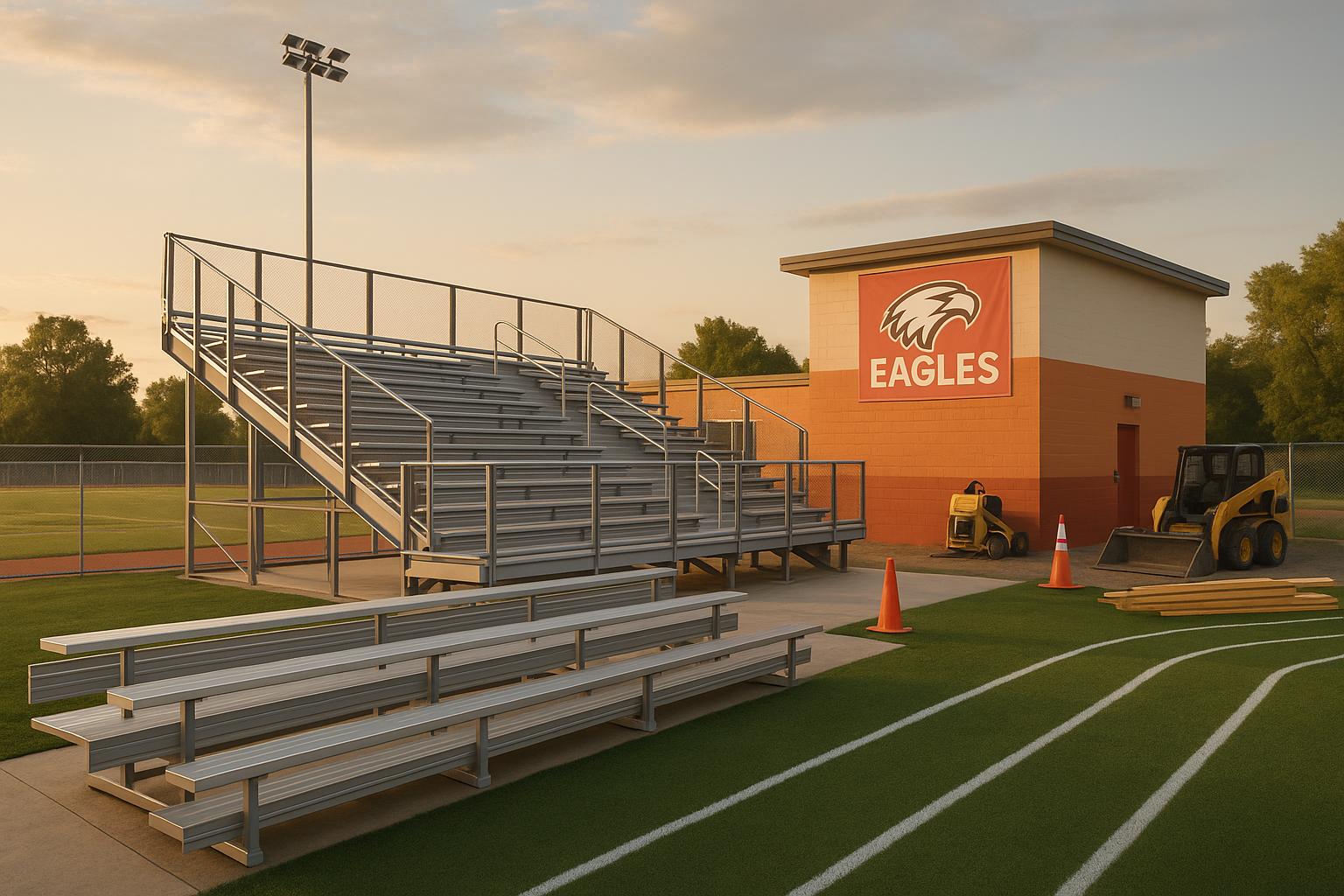
One smart solution is modular seating systems. These systems are a budget-friendly way to expand seating capacity without committing to a complete bleacher replacement. Plus, they allow for gradual upgrades, making it easier to spread out costs over time.
If you’re looking to save even more, consider refurbished seating. Vendors often specialize in reconditioning bleachers and stadium seats, replacing worn-out parts, reinforcing structures, and updating safety features to meet current standards. This can cut costs by up to 40%, giving you seating that feels nearly new at a fraction of the price – all while staying compliant with safety regulations.
Want to make your seating more comfortable? Add modular features like backrests, armrests, or cup holders. These small touches show you care about your community’s comfort and enhance the overall experience for visitors.
Don’t forget about accessibility. ADA-compliant seating ensures clear sightlines and safe access, which not only promotes inclusivity but can also help you avoid expensive retrofits down the road.
Another advantage of modular systems is their flexibility. Portable bleacher sections can be moved or stored as needed, allowing you to reconfigure layouts for multi-purpose use. This adaptability helps you make the most of your facility’s space.
Focus first on upgrading the seating areas that see the most use. Starting here can set the stage for more cost-effective improvements across your facility, creating a welcoming and functional environment for everyone.
Step 3: Improve Branding and Visual Appeal
Once you’ve tackled practical upgrades, the next step is to focus on branding. Enhancing your school’s branding isn’t just about looks – it’s about creating a sense of pride, reinforcing your school’s identity, and giving your facilities a polished, professional vibe. And the best part? You don’t need a massive budget to make a big impact.
Start with high-traffic areas where your branding will naturally catch attention. Think of main entrances, gymnasiums, locker rooms, and outdoor fields – places where students, parents, and visitors tend to gather. A cohesive approach works wonders: carry your school’s colors, mascot, and messaging consistently from the exterior of your building to the interior spaces. Let’s explore some budget-friendly ways to bring your school’s brand to life.
Use Custom Printed Materials for Branding
Custom printed materials are an affordable and effective way to enhance your facility’s appearance. They’re easy to install, flexible enough to update, and can be tailored to fit your school’s unique identity.
- Banners: Vinyl banners are a great starting point. Hang them in gyms, on fences, or outside buildings to highlight team accomplishments, school spirit messages, or even sponsor recognition. They’re durable for both indoor and outdoor use, and options like custom table covers (starting at $55) or feather flags (starting at $49) are perfect for tight budgets.
- Wall decals: Locker rooms and hallways are ideal spots for these. Use them to display motivational quotes, team rosters, or a larger-than-life version of your mascot. Adhesive vinyl decals stick to painted walls without causing damage, making them perfect for spaces you might want to refresh every season.
- Feather flags: These tall, eye-catching flags are perfect for outdoor spaces like athletic fields. They’re portable, dynamic, and can be moved around to suit different events. Plus, their movement in the wind naturally draws attention.
- Branded table covers: Small details matter, and a professional-looking table setup can elevate registration desks, concession stands, or fundraising events. Full-color covers start at just $55 and instantly boost the overall perception of your program.
For bigger events, consider event bundles. A set that includes a canopy tent, feather flags, banners, and table covers ensures everything looks coordinated. Custom logo canopy tents, starting at $185, are perfect for outdoor events like ticket sales or merchandise tables. These bundles not only create a unified look but can also be reused for years to come.
If you’re working with a limited budget, start small. Focus on areas with the most visibility, like the main entrance to your gym or the pathway to the football field. From there, you can gradually expand your branding efforts to other parts of your facility.
Apply Modern Design Trends to Athletic Spaces
You don’t need to hire an interior designer to give your athletic spaces a fresh look. A few smart design choices can completely transform tired facilities into spaces that energize athletes and impress visitors.
- Bold color accents: Instead of repainting entire walls, use your school’s primary colors in concentrated areas. An accent wall behind the bleachers or in the locker room can create a striking focal point. Pair it with complementary decals or graphics for a cohesive style.
- Simple, clean graphics: Large, bold designs often work better (and cost less) than intricate ones. A giant silhouette of your mascot or your school’s logo in a single color can make a strong statement without overwhelming the space.
- Multi-purpose displays: Maximize your investment by creating versatile visuals. For example, a “Wall of Champions” with interchangeable panels lets you celebrate achievements across all sports without needing a redesign every season. Motivational quotes or value statements are another great option – they’re timeless and apply to every team.
- Thoughtful color choices: Bright, energetic colors are great for training areas and locker rooms where you want to boost energy. Meanwhile, softer tones may work better for offices or meeting rooms. Use your school colors strategically to tie everything together without overloading the space.
- Lighting enhancements: Good lighting can make a huge difference. Keep fixtures well-maintained and take advantage of natural light by ensuring windows are clean and unobstructed. For evening events, inexpensive LED strip lights along walkways or behind banners can add a dramatic touch without major electrical work.
Step 4: Increase Outdoor Facility Usability
Make your outdoor areas work harder for you by adding simple, impactful upgrades. Instead of diving into costly renovations, you can enhance these spaces with thoughtful branding that boosts community involvement and strengthens your program’s presence year-round.
Boost Community Engagement Through Outdoor Branding
Outdoor spaces often become natural gathering spots for athletes, parents, alumni, and other community members. By incorporating branded elements into these areas, you can create a professional and welcoming environment that builds school spirit while encouraging community support. These upgrades complement indoor improvements and make your facilities even more functional and inviting.
One easy way to elevate your outdoor areas is by investing in a custom logo canopy tent. Set it up as a central hub for ticket sales, registration, merchandise tables, or even as a shaded rest area during events. It’s a practical addition that leaves a lasting impression on visitors.
Pair your canopy tent with other affordable outdoor enhancements to create a cohesive event space. For instance:
- Feather flags: These lightweight, portable flags are perfect for welcoming guests, marking pathways, or designating zones like concession stands. They’re versatile and easy to set up for different events.
- Branded table covers: Starting at just $55, a custom table cover can transform a plain folding table into a polished station for activities like registration, fundraising, or booster club meetings. Plus, they’re durable and work well both indoors and outdoors.
For a more unified look, consider event bundle sets, starting at $795. These packages include essentials like canopy tents, feather flags, banners, and table covers, giving your event space a professional and cohesive appearance.
Don’t forget about vinyl banners to highlight achievements, sponsors, or event details. A 3×6-foot banner, priced between $50 and $100, can be mounted on fences or building exteriors. Designed to withstand the elements, these banners ensure your message stands out, rain or shine.
With these straightforward upgrades, your outdoor facilities can become vibrant, functional spaces that bring your community together while showcasing your program’s identity.
sbb-itb-c623e60
Step 5: Create a Preventive Maintenance Plan
Regular maintenance is the key to avoiding costly repairs and keeping your facilities in top shape. A solid maintenance plan not only ensures smooth operations but also extends the lifespan of every improvement you make.
Set Up a Regular Maintenance Schedule
A maintenance calendar is your first line of defense against wear and tear. Begin by listing all critical components in your facilities, like sports surfaces, HVAC systems, and roofing, that require consistent attention. Assign specific tasks to designated times throughout the year to stay organized.
For synthetic turf, include monthly brushing, periodic infill replacement, regular debris removal, surface sanitizing, and annual G-max testing to check for any seam or damage issues. Proper care can extend the life of the turf, with drainage systems and base layers typically lasting through 2-3 turf replacements – about 20-25 years.
Indoor surfaces also benefit significantly from routine care. For instance, refinishing gym floors costs around $1.50 per square foot, which is far less than the $8–$10 per square foot required for full replacement. Resurfacing basketball courts, indoor turf, and tennis courts not only prolongs their lifespan but also enhances traction and appearance.
Outdoor branded materials, such as canopy tents and feather flags, require seasonal inspections and proper storage. When severe weather is expected, disassemble temporary structures and store them safely. Inspect these items before and after events to catch damage early, when repairs are still manageable and affordable.
By sticking to these preventive measures, you can protect your investments while keeping long-term repair costs under control.
Work with Professional Services
While routine maintenance is essential, professional services can provide an extra layer of protection for your investments. Partnering with facility management experts ensures that minor issues are caught early, saving you from expensive repairs later.
Professionals can handle maintenance for a wide range of items, from cardio equipment to HVAC systems. Their expertise helps extend the lifespan of your equipment and prevents emergency breakdowns. Additionally, licensed and insured companies can perform safety audits, helping you prioritize urgent maintenance tasks.
For example, addressing small bleacher repairs early can save up to 40% compared to the cost of purchasing new ones. Similarly, construction management services can assist with larger projects by offering procurement expertise and value engineering, which can help you save money through strategic material purchases and market insights.
Specialized equipment for turf maintenance can range from $30,000 to $140,000, making it a smart move to work with professionals who already own this equipment. They can perform necessary upkeep without requiring you to invest in costly tools upfront.
Ultimately, maintaining your facility is just as important as upgrading it. A well-maintained facility ensures that every dollar you spend delivers lasting benefits.
Step 6: Plan Phased Implementation
Upgrading facilities in phases allows for gradual improvements without overwhelming resources or creating unnecessary disruptions. By breaking the process into smaller, manageable stages, you can ensure that each step aligns seamlessly with future upgrades. This approach not only helps maintain a smooth workflow but also keeps costs more predictable and manageable.
Start by creating a long-term vision for your facilities. Schedule upgrades during off-peak times to minimize any interruptions to daily operations. While changes will be rolled out over time, having a comprehensive plan ensures all upgrades fit together cohesively in the bigger picture. Keep stakeholders informed about schedules and any temporary access restrictions to maintain transparency and cooperation.
To address rising material costs and inflation, consider locking in prices early. Establish a cost plan that accounts for potential increases, helping to protect your budget and maintain purchasing power over the duration of the project.
Conclusion
Transforming athletic facilities doesn’t always call for massive budgets or major construction. With thoughtful planning and smart prioritization, you can create spaces that are both functional and visually appealing.
The key is to focus on what your facility truly needs and make every dollar work harder. Cost-effective upgrades can improve usability while also reinforcing your facility’s identity and branding.
Plan your updates strategically – schedule them during off-seasons to minimize disruptions and consider breaking projects into manageable phases. This phased approach not only keeps costs under control but also gives you the flexibility to refine plans as you go.
Get creative with funding options, explore partnerships within your community, and invest in preventive maintenance to ensure long-term benefits. While these changes won’t happen overnight, consistent effort will lead to the athletic space you envision.
FAQs
What are some practical ways to upgrade athletic facilities without overspending?
Upgrading athletic facilities doesn’t have to break the bank. With some smart planning and creative thinking, you can make noticeable improvements while keeping costs in check. Start by addressing the most important areas – those that directly affect safety, performance, or functionality. Sometimes, simply reworking the current layout can help you get more out of your existing space without the need for expensive renovations.
Another budget-friendly option is incorporating custom printed materials to boost your facility’s branding and give it a polished, professional vibe. Small but impactful additions like updated signage, eye-catching wall graphics, or fresh event displays can instantly elevate the look and feel of your space without a hefty price tag.
You could also team up with local businesses or community groups to secure sponsorships or donations. These partnerships can help cover some of the costs while building stronger ties with your community.
By focusing on affordable yet high-impact changes, you can refresh your athletic facilities and make a lasting impression – all while staying well within your budget.
How can athletic directors improve safety and boost school pride while staying within budget?
Athletic directors can enhance safety and boost school spirit without breaking the bank by focusing on smart, impactful upgrades. Start with the basics: improve lighting to ensure better visibility and replace worn-out playing surfaces to help minimize injuries.
For school pride, think about budget-friendly branding options like custom banners, wall wraps, or signage that proudly display your school’s colors, mascot, and accomplishments. Partnering with local businesses or sponsors can be a great way to share the costs while building stronger community ties. By blending practical safety upgrades with creative touches, you can create a space that’s both functional and inspiring – all while staying within your budget.
How does preventive maintenance help extend the life of athletic facilities, and what are some practical ways to implement it?
Preventive maintenance plays a crucial role in extending the lifespan of athletic facilities while helping you sidestep costly repairs or replacements. Tackling small issues early can stop them from escalating into bigger problems that compromise both the functionality and safety of your space.
To make preventive maintenance work, start with regular inspections of equipment, flooring, and infrastructure to catch signs of wear and tear. Maintain a detailed log to track all repairs and servicing, ensuring nothing slips through the cracks. Focus on routine cleaning, store equipment properly, and update aging features when needed. These simple steps can help keep your facilities running smoothly without breaking the bank.